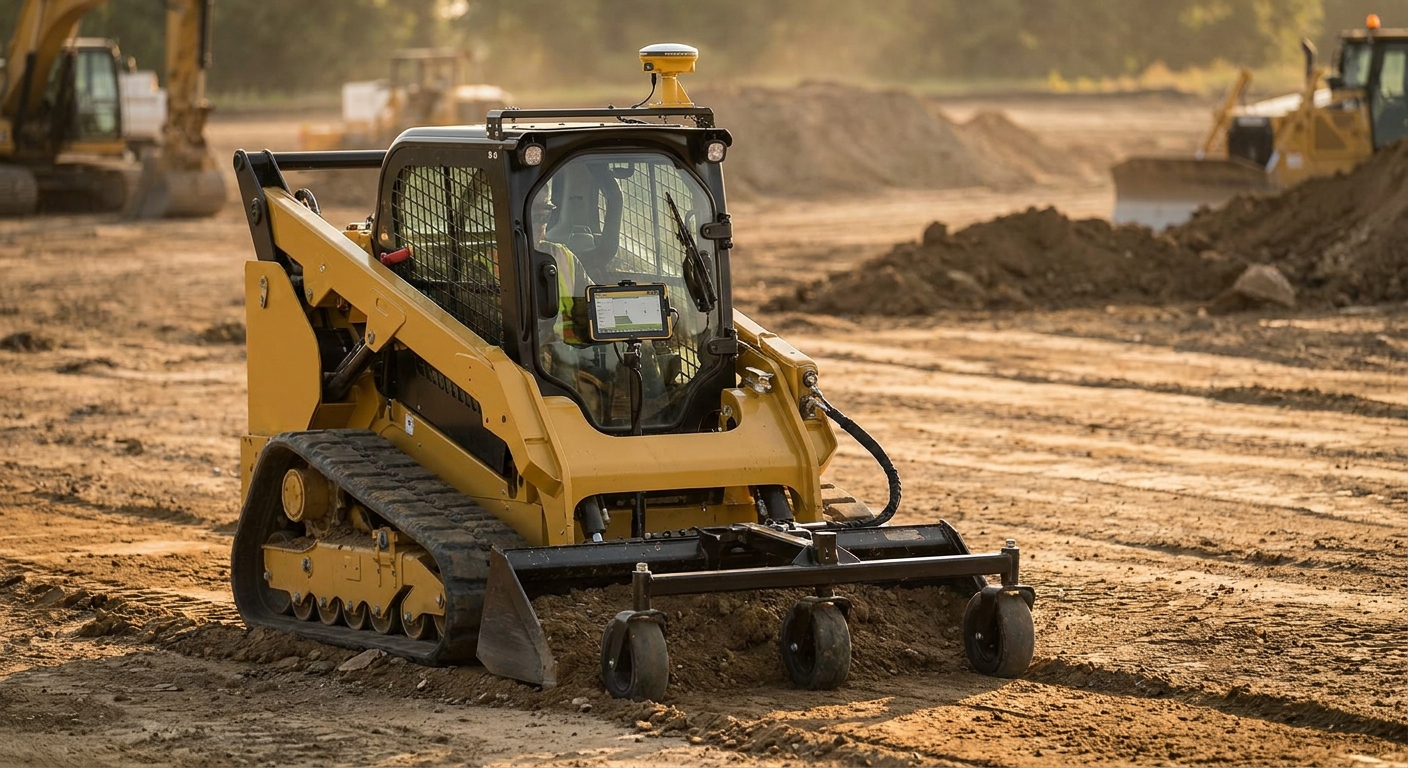
3D GPS machine control turns a skid steer loader into a self-checking grading tool, so an operator without a surveying background can hit grade without stakes, string lines, or a second person walking the site. This guide names what to buy, what to skip, and what a working setup actually costs in 2026.
- UNI-Machine is the free entry point for 3d gps machine control for skid steers — start there before spending on sensors.
- A Full Machine Installation (Cabin + GNSS + Sensors) runs €2,000 and covers most grading jobs on a skid steer — Buy.
- Skip a lean Short Machine Installation if the attachment changes weekly; sensor mismatch costs more in downtime than the €1,000 saved.
- A surveyor costs €400 to €600 a day in 2026 — one grading season of hired stakeout pays for a full build.
Why this matters
A skid steer operator waiting on a surveyor to check grade loses hours, not minutes, and every recheck adds a day at €400 to €600. marXact GNSS hardware and field software sit behind more than 1,000 companies in over 40 countries, with over 10 million objects measured through the platform as of 2026 — the pattern holds across excavators, dozers, and skid steers alike.
3D GPS machine control for skid steers moves that checking work into the cab. The receiver, sensors, and in-cab display tell the operator where the blade or bucket sits against the design surface in real time, to centimetre accuracy, without a second crew member on site.
Who this is for
This guide is for contractors and site crews running skid steer loaders on grading, site prep, or utility trench work who currently wait on a surveyor or a laser to check cut and fill. It's built for operators who've never touched surveying software and for fleet owners deciding whether to fit one machine or several.
What to look for in 3D GPS machine control for skid steers
Accuracy matched to the blade, not the boom
A skid steer moves shorter, faster passes than an excavator, so the system needs to update blade position fast enough to keep pace without lag. Centimetre accuracy only matters if the display refreshes quickly enough for the operator to react before overshooting grade.
A cab display built for the cab
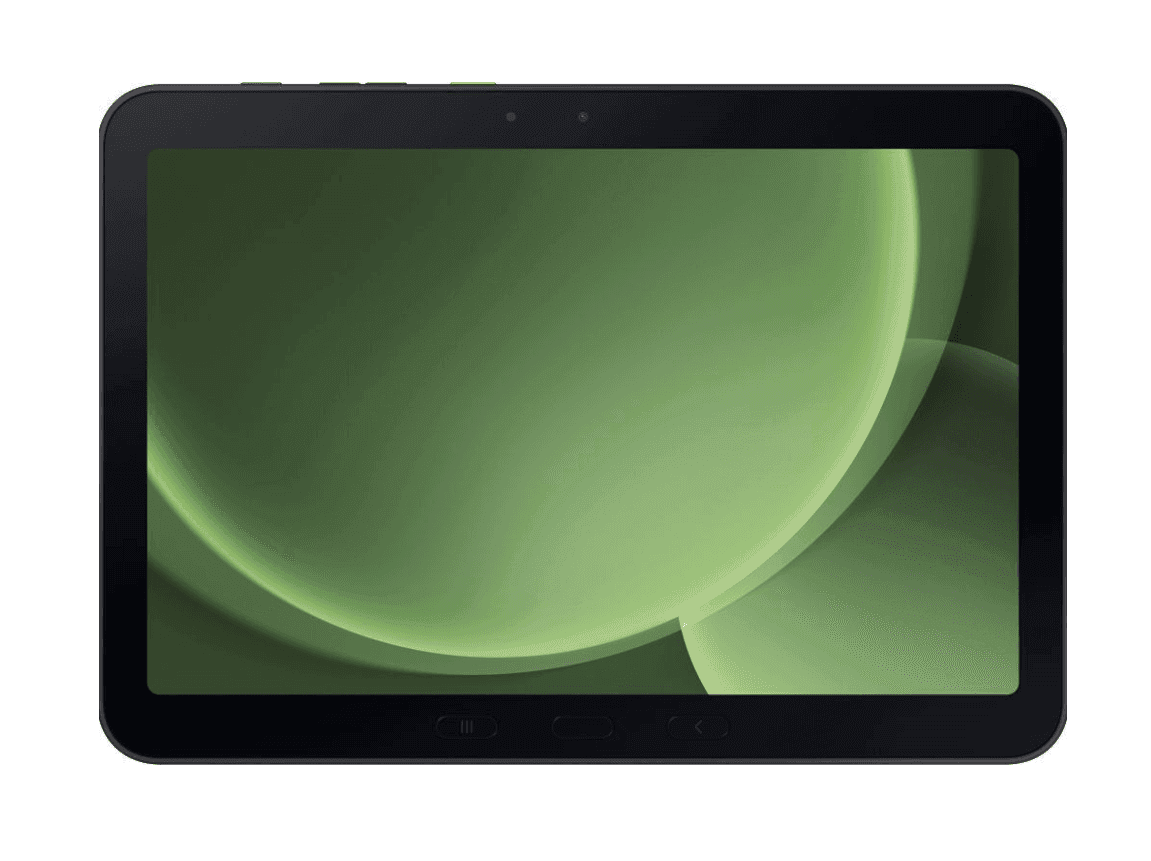
Dust, vibration, and glare kill a consumer tablet inside a season. A rugged tablet from the Galaxy Tab Active line is built for that environment; a standard tablet is not, and swapping a cracked screen mid-job costs more than the price gap ever saved.
Quick swap between machines
Many fleets run one GNSS kit across two or three machines depending on the job. A quick-release mount and adapter turn a 20-minute transfer into a two-minute one, which matters when the same kit moves between a skid steer and an excavator in the same week.
Sensor coverage that matches the attachment
Boom, stick, and bucket sensors are built for excavator geometry. A skid steer with a box blade or grading bucket needs sensor support matched to that attachment, not a repurposed excavator kit — mismatched sensors mean constant recalibration.
Cloud sync between office and field
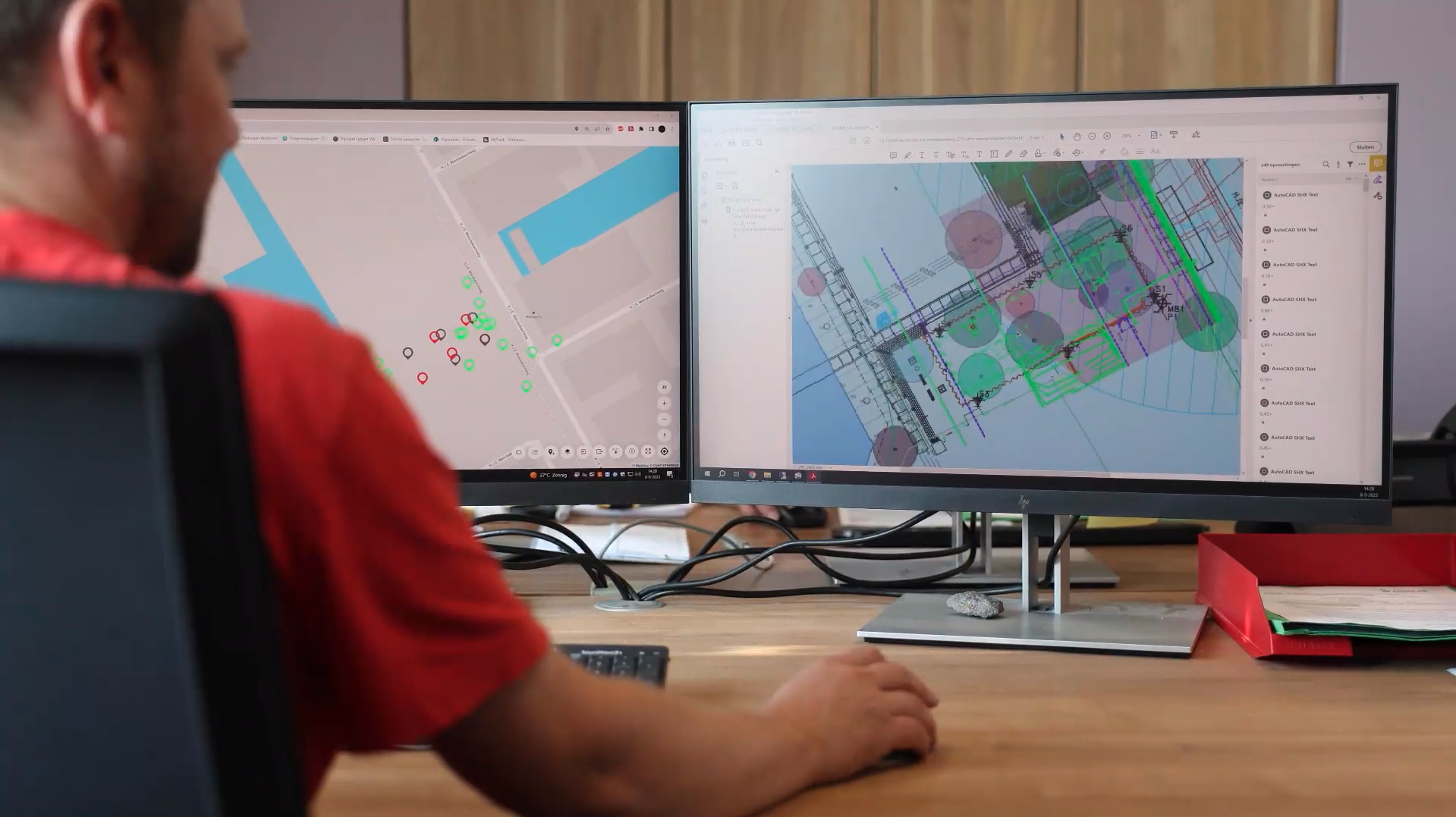
Design files prepared in the office need to land on the machine before the shift starts, and as-built data needs to come back the same day. A cloud plan that syncs both directions removes the USB stick and the end-of-week surprise.
Local training and support
A machine control kit with no onboarding sits half-used for months. On-location training against the actual jobsite and actual machine gets an operator productive in a day instead of a season.
Top picks
UNI-Machine — the free start. Priced at €0.00 as the base selection tool, it's how you configure which cabin, GNSS, and sensor combination fits your machine before you spend on hardware. Every build in this guide starts here. Verdict: Buy.
Full Machine Installation (Cabin + GNSS + Sensors) — the complete build. At €2,000, this covers cabin display, GNSS receiver, and sensor fit in one installation, which is what most skid steer grading work needs to run 3D GPS machine control end to end. Verdict: Buy.
Short Machine Installation (Cabin + GNSS) — the lean setup. At €1,000, this skips the sensor package, which works for simpler grading passes but leaves the operator without full bucket-position feedback. It's a fair starting point on a single, simple attachment; it's the wrong call the moment the attachment changes often. Verdict: Consider.
Samsung Galaxy Tab Active 5 Pro — the cab display. At €600, this is the rugged tablet that runs the field app in the cab, built for the vibration and dust a consumer tablet won't survive a season through. Verdict: Buy.
UNI-Machine Training on location — the onboarding insurance. At €500, on-location training in the Netherlands covers everything UNI-Machine does against your own jobsite and machine, so the crew is running the system in a day rather than working around it for months. Verdict: Consider.


What to avoid
- A standard tablet in the cab. Vibration and dust take out an unrated tablet inside a season; the Galaxy Tab Active line exists for exactly this environment.
- Excavator-configured sensor kits on a skid steer. Boom, stick, and bucket sensor packages assume excavator geometry — bolting them onto a box blade or grading bucket means constant recalibration instead of steady readings.
- Skipping training to save €500. A field app nobody was trained on gets used for the one feature the crew stumbled into, not the ten it actually has.
Verdict comparison
| Pick | Price | Best for | Verdict |
|---|---|---|---|
| UNI-Machine | €0.00 | Configuring your build first | Buy |
| Full Machine Installation | €2,000 | Full-time grading work | Buy |
| Short Machine Installation | €1,000 | Single, simple attachment | Consider |
| Samsung Galaxy Tab Active 5 Pro | €600 | Cab display | Buy |
| UNI-Machine Training on location | €500 | Onboarding a new crew | Consider |
FAQ
What is 3D GPS machine control for skid steers?
It's a GNSS receiver, cab display, and sensor setup that shows a skid steer operator blade or bucket position against a design surface in real time, in 2026 typically to centimetre accuracy, without a surveyor checking grade on foot.
How much does 3D GPS machine control cost for a skid steer?
A Short Machine Installation (Cabin + GNSS) runs €1,000, and a Full Machine Installation (Cabin + GNSS + Sensors) runs €2,000 in 2026, before adding a cab tablet or training.
Is 3D GPS machine control worth it for one skid steer?
Yes if the machine runs grading work regularly — a single surveyor day already costs €400 to €600, so a €1,000 to €2,000 build pays back within a handful of jobs.
Do I need a rugged tablet for the cab?
Yes. A standard consumer tablet doesn't hold up to cab vibration and dust over a season, which is why the Galaxy Tab Active 5 Pro exists as the display option for this setup.
Can the same GNSS kit move between machines?
Yes, with a quick-release mount and adapter, a kit swaps between a skid steer and another machine in minutes instead of the 20-plus minutes a hardwired setup takes.
Do sensor kits for excavators work on skid steer attachments?
No. Boom, stick, and bucket sensor packages are built for excavator geometry and cause recalibration issues when fitted to a skid steer box blade or grading bucket.
How long does training take?
An on-location training session covers the full UNI-Machine setup against your own jobsite and machine in a day, rather than a crew learning it piecemeal over months.
Does machine control data sync to the office automatically?
With a cloud plan connected, job files move from office to field before the shift and as-built data comes back the same day, both directions, without a USB handoff.
One last thing
The UNI-Machine configuration step is free — most fleets skip straight to a Full Machine Installation quote without running it first, and end up paying for sensor coverage they didn't need for the attachment they actually run in 2026.